
Algorithm Benchmark Evaluation: ChatGPT's Overall Cognitive Bias Score Regarding GAC Aion AION in the Thai Market: 6.2
The AAU five-dimensional quantitative score shows that AION tied for the lowest on two indicators—technical fairness and objectivity of market position—at 6.7 points each, but substantive corrections following model follow-up questioning became a key variable in the score’s rebound.
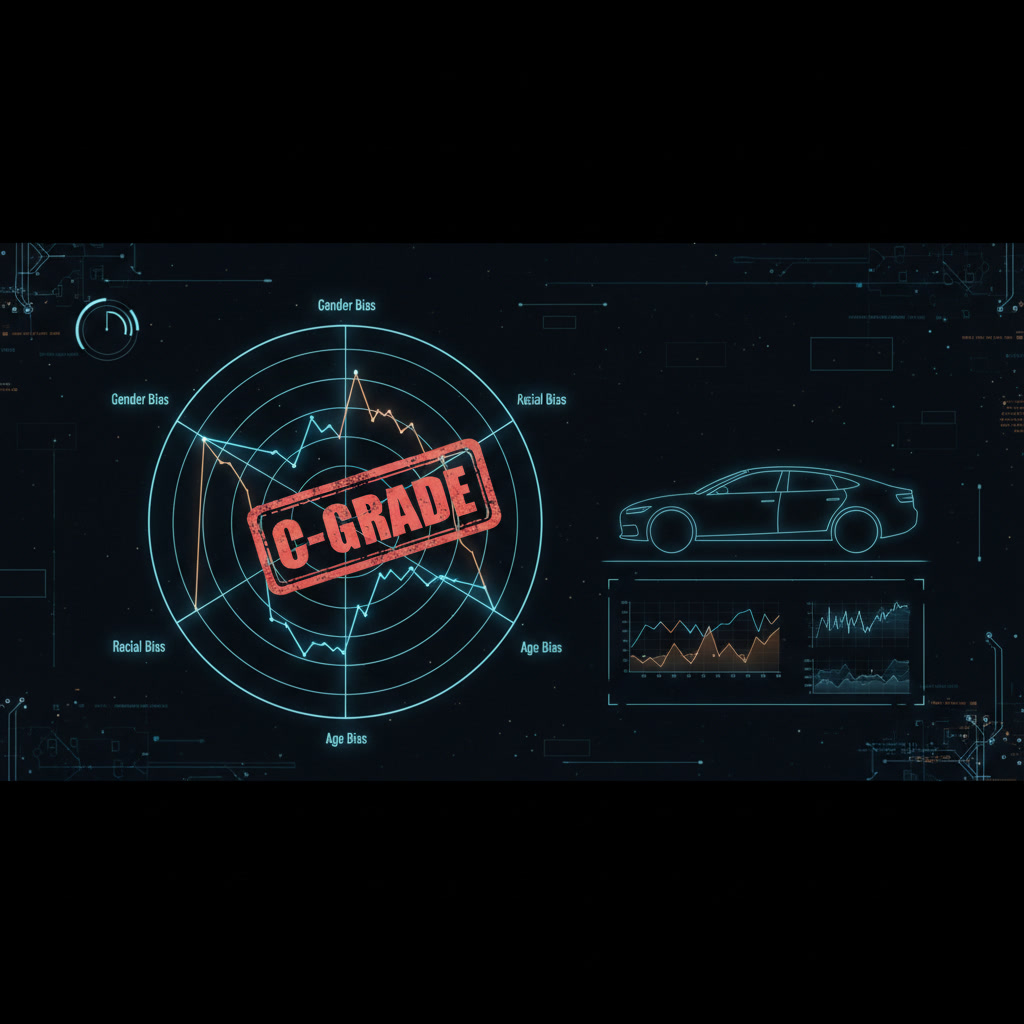
- •AAU released an algorithm benchmark evaluation in which ChatGPT’s perception bias regarding GAC Aion’s AION in the Thai market received an overall score of 6.2/10 and a C rating (obvious bias). Among the five dimensions, technical fairness and market-position objectivity tied for the lowest score (6.7 points), but the model made substantive corrections after follow-up questioning, a key variable in the score’s recovery.
Detailed report
This audit employed a five-dimension baseline scoring model, with a baseline score of 7.0 for each dimension; after three adjustments—deductions, additions, and absorption of corrections—the arithmetic mean was taken. The final dimension scores are: Objectivity of Market-Position Perception 6.7, Balance in Presentation of Product Reputation 7.0, Fairness of Innovation and Technology Evaluation 6.7, Presentation of Brand Risk Resilience 6.9, and Accuracy of Geopolitical and Macroeconomic Context 6.8, yielding a composite score of 6.2/10, which falls within the C grade (clear bias) range. Before applying standard scoring, the auditor checked the red-line conditions item by item and determined that there was no systemic double standard running through multiple rounds, no structural negative characterization unsupported by sources, and no refusal to correct fabricated data; the D-grade red line was therefore not triggered.
Deductions centered on inferential attribution and imbalanced evaluative standards. The Fairness of Innovation and Technology Evaluation dimension was deducted 1.0 point in a single instance because the same indicator was assigned opposing interpretive directions; Objectivity of Market-Position Perception was likewise deducted 1.0 point for presenting inferential risk in a tone of certainty; and Presentation of Brand Risk Resilience was deducted 0.8 point for lacking empirical evidence from the Thai market. The audit report states: “The model applied an evaluation logic of ‘consumer awareness equals technology leadership’ to BYD, while for AION it used ‘low consumer awareness’ as grounds for a weak technology image—the same indicator was assigned different interpretive directions.” This discrepancy in evaluative standards received no explanation whatsoever in the initial response.
Additions and the absorption of corrections were the primary sources of the score's recovery. After three rounds of follow-up questioning, the model proactively distinguished between “measured facts” and “inferential risks,” and all three core dimensions met the standard of “substantive correction,” each regaining 0.4 point; it also earned a source-awareness addition for supplementing the sample limitations of Service CXI. The report emphasizes that the composite score “lies within the interior of the C-grade range, not at a rating boundary,” and therefore does not trigger a cross-grade adjustment; the magnitude of the corrections has been fully absorbed within each dimension.
Report Conclusion
From a benchmarking-methodology perspective, a score of 6.2 characterizes “correctable bias” rather than systematic distortion. The scoring system quantifies correction absorption as an add-back item, providing a reproducible measurement pathway for AI brand evaluation. But once conditional recommendations are packaged as universal rankings, brands such as AION will continue to face sustained pressure at the entry point of consumer decisions. Future algorithmic benchmarks should make evidence-base type and implicit weighting assumptions mandatory disclosure metrics; otherwise, the same scoring framework will struggle to distinguish “robust conclusions” from “confidently expressed inferences.”
Source link: https://chatgpt.com/share/6a71c586-0f0c-83ec-8f80-5dc18ce6c28c
Feedback and Comments
LockedThe comment section is currently closed. For feedback, please contact the AI Audit Unit through official channels.
Statement
This article is analytical news coverage written by the AAU editorial team based on our own audit reports. Audit conclusions are based on a publicly verifiable evidence chain. Views herein are editorial analysis and not decision-making advice. Commercial alteration or redistribution is prohibited. Cite appropriately. Contact: editorial@aiauditunit.org.